May.17,2026
If I were choosing between Microcement Wall Coating vs Wall Paint, I would compare more than appearance. The practical decision depends on durability, moisture exposure, surface condition, installation skill, maintenance, reversibility, and total cost over time. Paint usually offers the lowest initial price and the simplest color change, while microcement creates a continuous mineral-style surface with fewer visible joints and a thicker protective system.
| Factor | Microcement Wall Coating | Conventional Wall Paint |
|---|---|---|
| Material type | Thin-layer cementitious decorative coating with primer, base layers, finish, and sealer | Pigmented liquid coating applied by roller, brush, or spray |
| Appearance | Seamless concrete, stone, plaster, or matte mineral effect | Uniform color, satin, eggshell, or matte finish |
| Durability | Better resistance to routine abrasion when correctly installed and sealed | Suitable for normal interiors but more vulnerable to scuffs and repeated washing |
| Water resistance | Depends on the complete sealer system; suitable products can resist splash and humidity | Depends on paint type; standard wall paint is not intended for constant water exposure |
| Installation | Requires substrate preparation, multiple coats, drying intervals, and skilled finishing | Usually one primer coat plus two finish coats |
| Maintenance | Mild cleaning and periodic inspection; resealing may be required | Cleaning and localized touch-ups; repainting is simpler |
| Reversibility | More difficult to remove because it bonds to the substrate | Easy to repaint or cover |
| Typical US installed cost | About $12–$30 per square foot for professional work | About $2–$8 per square foot for standard professional painting |
!
The main difference is the thickness, composition, and function of the finished system. Wall paint is a relatively thin decorative film designed to add color and limited washability, while microcement is a layered wall finish that combines a prepared substrate, bonding primer, cement-based or polymer-modified coating layers, pigments, and a protective sealer. I treat microcement as a finish system rather than a single bucket of material.
Paint mainly changes the visual color of a wall, although specialist formulations can add stain resistance or moisture tolerance. Microcement changes the wall’s texture, visual depth, and surface character while producing a joint-minimized finish. Neither material can correct serious movement, dampness, or unstable plaster without repairing the underlying wall first.
Paint provides the widest selection of standardized colors, sheen levels, and repeatable finishes. It is easier to match an existing wall, repaint a damaged section, or change from warm white to a darker color during a later renovation. Decorative concrete-effect paint can imitate some microcement aesthetics, but it normally relies on layered color and texture rather than a true cementitious coating.
Microcement produces more natural variation because the trowel movement, base color, application pressure, and drying conditions affect the final pattern. That variation can suit modern interiors, bathrooms, kitchens, feature walls, and commercial spaces that need a continuous wall finish. It also means I would approve a physical sample before installation instead of relying only on a digital color image.
For microcement vs paint durability, microcement generally has the advantage in high-contact locations when the substrate is stable and the sealer is correctly selected. A sealed microcement surface can tolerate routine wiping, light abrasion, and splash exposure better than ordinary flat paint. However, it is not immune to cracking, impact damage, or sealer wear, and its performance depends heavily on preparation and application quality.
Standard interior paint is suitable for bedrooms, offices, ceilings, and many living areas where contact and moisture are moderate. Premium washable acrylic or acrylic-latex paint performs better in hallways and kitchens than basic flat paint, but it can still show marks, burnishing, or color variation after repeated cleaning. In high-traffic areas, the correct paint sheen and a sound primer can matter almost as much as the brand.
Microcement is not automatically waterproof on walls. Its water resistance comes from the complete system, especially the primer, coating layers, edge treatment, and compatible sealer. For shower walls or areas receiving direct and prolonged water, I would require written product guidance, a tested waterproofing assembly behind the finish, correctly sealed penetrations, and suitable detailing at corners and joints.
For kitchens and bathroom walls outside the direct shower zone, a sealed microcement finish can offer a practical alternative to tile or paint. Inside a shower, the decorative layer should not be treated as the only waterproof barrier unless the manufacturer’s system specifically permits that use. Paint is normally a poor choice for direct shower exposure, even when labeled washable or moisture-resistant.
Microcement wall finish maintenance is usually simple but less reversible than paint maintenance. I would clean the surface with a soft cloth, diluted neutral detergent, and non-abrasive tools, while avoiding aggressive solvents, scouring powders, and sharp scraping objects. High-use commercial walls may require more frequent inspection because hand contact, carts, furniture, and cleaning equipment can wear the sealer.
Painted walls are easier to repair at low cost. A small scratch can often be sanded, primed, and touched up, although the repaired section may remain visible if the original paint has faded or if the wall has a roller texture. Microcement repairs can require color blending and reapplication of sealer, so a local patch may show a tonal or trowel-pattern difference even when the repair is technically sound.
For microcement vs paint cost, paint normally wins on initial installation. In the United States, a standard professional repaint commonly falls around $2–$8 per square foot of wall area, including ordinary preparation and two finish coats. Decorative concrete-effect paint may cost approximately $4–$12 per square foot because it requires more preparation, layering, and hand finishing.
Professionally installed microcement commonly falls around $12–$30 per square foot, depending on wall condition, design complexity, corners, repairs, location, project size, and the selected primer, sealer, and topcoat system. Small rooms often reach the upper end because setup and preparation costs are spread over fewer square feet. These figures are planning ranges rather than fixed quotes, and they exclude major moisture remediation or structural wall repairs.
Lifecycle value changes the calculation. If a painted hallway needs a full repaint every three to five years at $2,000, two repainting cycles over a decade could add $4,000 before considering furniture protection and downtime. A microcement installation might cost $8,000 initially and require a sealer refresh during that period, but the result may remain serviceable longer if it receives suitable care and avoids substrate movement.
That example does not prove that microcement always produces a lower total cost. Paint remains financially sensible for rental units, short-term renovations, frequent color changes, and walls likely to be damaged or remodeled soon. Microcement becomes more defensible when the owner values a continuous finish, expects a longer design cycle, and is prepared to pay for professional preparation and repair work.
The application process is the clearest reason I would not compare microcement with paint as a simple do-it-yourself substitute. A typical system involves inspection, cleaning, crack repair, leveling or skim preparation, primer, reinforcing mesh where specified, one or more base coats, decorative microcement layers, sanding or smoothing, and a compatible sealer. Each layer needs the manufacturer’s required drying time before the next stage begins.
Microcement can sometimes be applied over existing painted walls, but only when the paint is firmly bonded, clean, dry, and free from wax, grease, peeling, or soft areas. Glossy paint may require mechanical abrasion, and weak paint must be removed rather than covered. I would always test adhesion in a small area and address cracks, movement joints, dampness, and uneven surfaces before applying the coating.
Existing tiles can sometimes remain in place if they are stable and properly prepared. The installer may need to degrease the tiles, abrade the glaze, fill grout lines, apply a compatible bonding primer, and use a leveling or reinforced base layer. Hollow tiles, loose grout, leaking joints, or movement in the substrate should be corrected first because microcement will not stabilize an unsound wall.
Paint preparation is more forgiving but still affects the result. The wall should be clean, dry, sanded where necessary, and repaired with compatible filler before priming. Painting over a stable existing color is usually straightforward, while painting over glossy coatings, nicotine stains, water damage, or patched areas requires additional preparation.
| Room or setting | Usually the more practical choice | Reason |
|---|---|---|
| Bedroom | Wall paint | Lowest cost, easy color changes, moderate wear |
| Living room | Either option | Paint suits flexibility; microcement suits a continuous feature finish |
| Kitchen walls | Sealed microcement or washable paint | Choice depends on splash exposure, cleaning frequency, and budget |
| Shower area | Specialist microcement system or tile assembly | Requires waterproofing, compatible sealer, and detailed installation |
| Hallway | Washable paint or microcement | Paint costs less; microcement handles repeated contact when sealed |
| Small home | Paint for budget control; microcement for selected feature walls | Full-wall microcement can raise renovation cost substantially |
| Rental property | Paint | Easier turnover repairs and future color changes |
| Commercial interior | Depends on traffic and design brief | Microcement suits branded continuous finishes; paint simplifies maintenance |
For bedrooms and standard living rooms, I would usually choose paint unless the uninterrupted mineral appearance is central to the interior design. A painted wall can be refreshed quickly when furniture, lighting, or tenant preferences change. Microcement is more appropriate when the finish itself is a major design element rather than a neutral background.
For kitchens, hallways, and hospitality interiors, the choice depends on cleaning intensity and impact exposure. A sealed microcement wall can reduce visible joints and create a consistent surface around niches or built-in furniture, but paint allows faster touch-ups after moving furniture or equipment. In commercial spaces, I would also check whether the supplier can provide batch control, application guidance, and technical documentation.
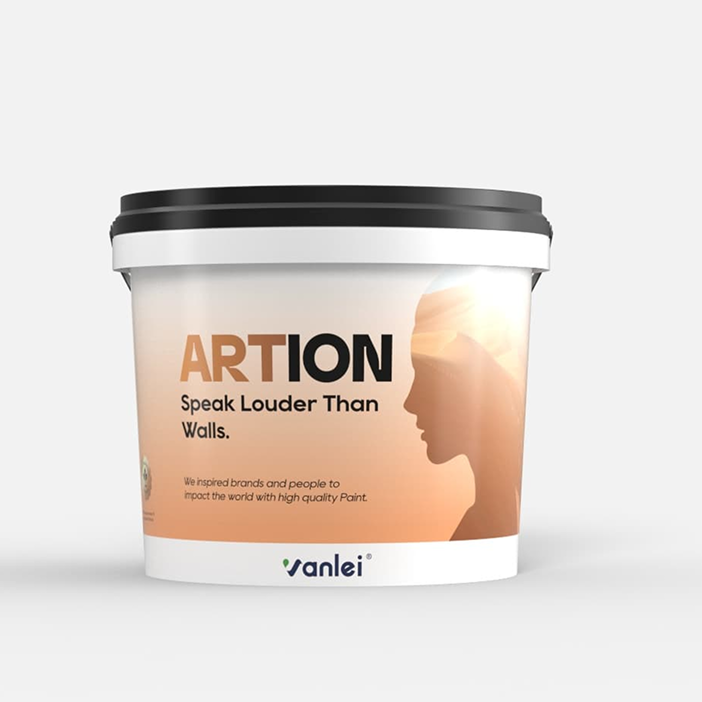
Vanlei presents itself as an architectural coatings manufacturer offering microcement, decorative paints, primers, topcoats, tools, and related coating systems. Its product range includes microcement categories and supporting products such as primers and sealers, which reflects the fact that wall performance depends on a coordinated system rather than the decorative layer alone. When comparing a Vanlei Microcement Wall Coating system with paint, I would request the technical data sheet, coverage rate, recommended substrate, drying schedule, sealer compatibility, and repair instructions before purchasing.
Microcement has several limitations that should be included in the decision. It costs more initially, requires skilled preparation, can show color or texture variation, and may crack if the substrate moves. Repairs are possible but may not disappear visually, and removing the finish later is more labor-intensive than repainting.
Paint also has limitations. It can scuff, stain, fade, or lose uniformity after repeated washing, especially in high-contact areas. Standard paint is not a waterproofing system, and a new coat may not hide moisture damage, poor patching, or unstable plaster. Its main advantage is reversibility, not resistance to every type of wear.
I would use this decision framework before requesting quotes:
Microcement Wall Coating vs Wall Paint is not a simple contest between a premium material and a basic one. Paint is usually the better choice for bedrooms, rentals, frequent color changes, limited budgets, and walls that need inexpensive repairs. Microcement is better suited to design-led interiors, selected kitchens, hallways, commercial feature areas, and bathroom applications where the substrate, waterproofing, sealer, and installation process are all properly controlled.
My practical recommendation is to compare the complete installed cost rather than the price of a single container. Ask for a room-specific quote, substrate preparation details, coverage assumptions, sealer maintenance requirements, repair procedures, and a physical sample. If the wall is stable and the project needs flexibility, choose paint; if the project needs a continuous finish and can support professional installation and periodic care, microcement may justify its higher initial cost.
Related News
Jun.20,2025
Construction Guide | Learn how to install terrazzo in three minutes
Jie terrazzo's new product launch: Jie terrazzo is a bit more expensive, but a hundred times better. Now you have a basic understanding of Jie terrazzo.
Jun.20,2025
Construction Guide | Learn how to install terrazzo in three minutes
Jie terrazzo's new product launch: Jie terrazzo is a bit more expensive, but a hundred times better. Now you have a basic understanding of Jie terrazzo.
Jun.20,2025
Construction Guide | Learn how to install terrazzo in three minutes
Jie terrazzo's new product launch: Jie terrazzo is a bit more expensive, but a hundred times better. Now you have a basic understanding of Jie terrazzo.
Related Products