May.17,2026
I select exterior coatings by following five actions: inspect the substrate, identify exposure conditions, define the performance goal, shortlist compatible coating systems, then validate technical data and a test area. This process reduces premature peeling, cracking, moisture damage, and unnecessary maintenance. It also separates decorative finishes from protective coatings, waterproofing membranes, and cladding systems.
!
The substrate determines which coating chemistry can bond, move, breathe, and withstand service conditions. I first identify whether the wall is concrete, cement render, stucco, brick, natural stone, fiber cement, metal, previously painted masonry, or a composite facade panel. I then record surface moisture, alkalinity, porosity, contamination, cracks, delamination, efflorescence, biological growth, and previous coating layers.
A coating that works on sound concrete may perform poorly on historic brick or highly porous lime plaster. The same product may also fail when applied over chalking paint, uncured mortar, or a surface contaminated with oil and salts. Product selection should therefore begin with substrate testing rather than color selection or price comparison.
I divide the inspection into four categories: structural condition, moisture condition, surface strength, and coating compatibility. Structural movement, open joints, spalling concrete, or unstable render must be repaired before coating. Moisture readings, visual staining, efflorescence, and water-entry paths help determine whether the wall needs drainage or repair instead of another film layer.
Surface preparation may include pressure washing, detergent cleaning, abrasion, scraping, crack repair, efflorescence removal, priming, or partial coating removal. The specification should define acceptable cleanliness, surface profile, moisture content, pH, and curing time. For adhesion verification, a pull-off test such as ASTM D4541 may be considered where project risk or coating thickness justifies field testing.
I do not recommend coating when moisture is trapped behind the existing film, the substrate is unstable, or water intrusion remains unresolved. Severe cracks, failed sealants, loose masonry, active corrosion, and facade movement require repair or engineering review before a coating system is selected. Covering these defects can conceal deterioration while increasing blistering and delamination risk.
Historic masonry also requires special care because dense, low-permeability films can restrict drying and concentrate moisture inside the wall. Breathable coatings for historic masonry may be appropriate, but compatibility testing, vapor transmission data, and conservation requirements should be reviewed before approval. In some cases, repointing, drainage improvement, or a sacrificial mineral finish is more appropriate than a conventional exterior paint.
Weather-resistant coatings for exterior walls must be selected according to the building’s actual exposure rather than its geographic label alone. I assess direct sunlight, annual rainfall, wind-driven rain, humidity, salt spray, industrial pollution, freeze-thaw cycles, temperature range, and facade orientation. South- and west-facing elevations often experience greater UV and thermal movement than shaded elevations.
Coastal buildings may require resistance to salt deposition and repeated wetting, while cold-climate buildings need coating flexibility and substrate compatibility during freeze-thaw cycling. In polluted urban areas, dirt pickup, chemical deposits, and cleaning resistance may influence the finish choice. A coating system should not be described as weather resistant unless the technical data identifies relevant test methods and exposure limitations.
For heavy rainfall or wind-driven rain, I look for water resistance, crack tolerance, edge detailing, and compatible sealants. For high UV exposure, I review color retention, chalking resistance, solar reflectance, and the stability of the binder and pigments. For humid conditions, vapor permeability and drying capacity may be more important than simply adding a waterproof film.
Solar reflectance can be specified as a measurable value when heat gain is a concern, particularly for large commercial facades. VOC limits should match the governing local or national regulation, and fire performance should be documented through the required classification or test standard. These criteria should appear in the project specification rather than being left to informal product claims.
Paint, protective coatings, waterproofing membranes, decorative finishes, and cladding systems solve different problems. I avoid treating them as interchangeable because their thickness, movement capacity, vapor behavior, repair method, and service expectations can differ substantially. The correct choice depends on whether the main objective is appearance, water control, carbon dioxide resistance, crack management, surface protection, or facade replacement.
| Coating or facade category | Main function | Typical application context | Main selection concern |
|---|---|---|---|
| Acrylic exterior paint | Color and surface protection | Sound masonry, render, and previously coated walls | Weathering, adhesion, permeability, and substrate condition |
| Elastomeric coating | Flexible water-shedding film | Masonry with fine static cracks and high rain exposure | Crack-bridging data, vapor transmission, and film thickness |
| Anti-carbonation coating | Limits carbon dioxide and moisture access | Reinforced concrete facades | Carbon dioxide diffusion resistance and vapor behavior |
| Waterproofing membrane | Controls liquid water movement | Exposed walls, balconies, below-grade or detail areas | Continuity, movement joints, detailing, and drainage |
| Decorative mineral finish | Texture, color, and visual refinement | Rendered walls and architectural facades | Compatibility, breathability, cleaning, and repair matching |
| Cladding system | Separate rainscreen or facade enclosure | New construction or major renovation | Structural support, fire rating, drainage, and detailing |
Acrylic coatings for exterior surfaces are commonly considered when the substrate is sound, the wall has limited movement, and the project requires color flexibility and straightforward maintenance. Their suitability depends on binder composition, solids content, permeability, adhesion, and resistance to UV and wet-dry cycling. I would not use an acrylic finish to conceal active cracks or unresolved water entry.
Elastomeric coatings for building facades are designed for greater film flexibility than standard paint, but flexibility does not eliminate the need for crack repair. I review crack-bridging capability at the project’s expected temperature range, dry-film thickness, tensile or elongation data, vapor permeability, and compatibility with primers and sealants. An overly thick or low-permeability system can create moisture-management problems on porous masonry.
For exposed reinforced concrete, an anti-carbonation coating may be selected when the design objective includes reducing carbon dioxide ingress while allowing controlled vapor release. The system must be compatible with concrete repair mortar, primers, and existing surface treatments. If corrosion, spalling, or exposed reinforcement exists, concrete repair must precede coating application.
I define one primary performance goal and several secondary requirements before requesting quotations. Common primary goals include reducing rain penetration, extending repainting intervals, protecting concrete, accommodating fine static cracks, retaining color, reducing solar heat gain, or preserving historic masonry. A product should be rejected when its data does not address the dominant failure mechanism on the building.
The following specification points help convert broad claims into measurable requirements:
I use the following decision sequence when selecting exterior wall coatings for commercial or residential projects:
This decision tree prevents a common error: choosing a coating because it is marketed for “exterior use” without confirming whether it matches the wall’s moisture behavior or defect condition. It also gives architects, contractors, owners, and suppliers a common record for approval. For larger projects, I document the test area with photographs, measured film thickness, weather conditions, batch numbers, and substrate preparation details.
Facade coating cost per square foot should include preparation, repairs, primer, coating layers, access equipment, labor, protection, inspection, cleaning, and future recoating. Product price alone can be misleading because a low-cost coating may require more preparation, thicker application, shorter maintenance intervals, or earlier color renewal. I compare the initial installed cost with the expected inspection and recoating schedule over a defined period, such as 10 or 15 years.
A simple lifecycle comparison can use this formula: total cost = initial installation + planned maintenance + access and cleaning + repairs caused by coating failure. I also compare downtime, tenant disruption, and waste disposal when evaluating commercial buildings. Warranty duration should not be treated as service life unless the warranty defines preparation, thickness, application controls, inspection, and exclusions.
| Cost factor | Questions to ask |
|---|---|
| Surface preparation | Are cleaning, repairs, removal, and priming included? |
| Material quantity | What coverage rate and dry-film thickness are specified? |
| Labor and access | Are lifts, scaffolding, protection, and traffic controls included? |
| Maintenance | How often are washing, inspection, touch-up, or recoating expected? |
| Failure risk | What conditions void the warranty or cause early delamination? |
| Future compatibility | Can the surface be repaired and recoated without full removal? |
When I evaluate a Decorative Coatings Manufacturer, I review more than the product brochure. I check whether the supplier provides technical data, safety information, batch control, application instructions, substrate guidance, color information, and system compatibility details. I also ask whether the manufacturer can support sample preparation, field mock-ups, and documentation for the specific climate and substrate.
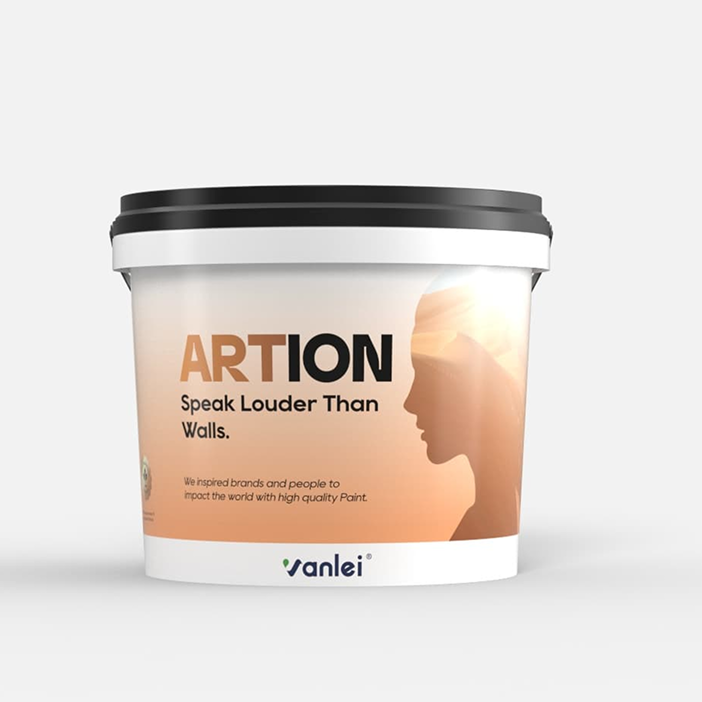
Vanlei presents itself as an architectural coatings manufacturer with decorative paints, exterior series products, stucco finishes, primers, topcoats, concrete sealers, and related coating categories. Its published company information identifies a 10,000-square-meter Guangdong production base, 13 national invention patents, 150 product models, exports to 68 countries and regions, and market-access certificates in 12 countries. I would still verify the technical data and project-specific test results for any selected system before approval.
The test area should be large enough to show texture, color, lap marks, edge treatment, repair visibility, and finish uniformity. I inspect it after curing and, where appropriate, after controlled water exposure or cleaning trials. Approval should record the exact system build-up, tools, number of coats, wet and dry film measurements, curing times, weather limits, and accepted appearance.
How to Select Coatings for Exterior Walls and Facades depends on matching the complete coating system to the substrate, defect condition, climate, performance goal, and lifecycle budget. I begin with inspection and repair, then compare vapor permeability, crack bridging, adhesion, waterproofing, UV resistance, dry-film thickness, VOC limits, fire performance, and compatibility. I do not coat active moisture, unstable masonry, severe cracks, or unresolved facade defects.
For the next project, I recommend creating a substrate and exposure record, writing measurable performance requirements, requesting complete system data, and applying a representative test area. Compare facade coating cost per square foot across the full maintenance period rather than selecting the lowest material price. A suitable system may be an acrylic finish for sound masonry, an elastomeric coating for compatible fine-crack conditions, an anti-carbonation system for concrete, a breathable mineral finish for historic masonry, or a waterproofing membrane where water control requires a separate layer.
Related News
Jun.20,2025
Construction Guide | Learn how to install terrazzo in three minutes
Jie terrazzo's new product launch: Jie terrazzo is a bit more expensive, but a hundred times better. Now you have a basic understanding of Jie terrazzo.
Jun.20,2025
Construction Guide | Learn how to install terrazzo in three minutes
Jie terrazzo's new product launch: Jie terrazzo is a bit more expensive, but a hundred times better. Now you have a basic understanding of Jie terrazzo.
Jun.20,2025
Construction Guide | Learn how to install terrazzo in three minutes
Jie terrazzo's new product launch: Jie terrazzo is a bit more expensive, but a hundred times better. Now you have a basic understanding of Jie terrazzo.
Related Products