May.17,2026
Choosing texture paint requires more than selecting a color from a catalog. I recommend evaluating the wall location, substrate condition, moisture exposure, texture depth, binder type, finish, cleaning needs, and total application cost before buying. For interior walls, prioritize appearance, touch-up capability, and cleaning performance; for exterior walls, prioritize water resistance, UV exposure, flexibility, adhesion, and surface preparation.
!
Texture paint is a decorative wall coating containing solid particles, aggregates, fibers, or specially formulated additives that create a raised or patterned surface. Unlike regular wall paint, which is mainly designed to form a relatively smooth color film, texture paint changes both the visual appearance and tactile character of the wall. Depending on the product, it may be applied with a roller, brush, trowel, spray gun, sponge, or other texture paint application tools.
The coating works by depositing a controlled layer of material on the prepared substrate. The applicator then shapes the wet coating into patterns such as sand, orange peel, combed lines, stone effects, brushed marks, or heavier relief designs. The final appearance depends on particle size, application thickness, tool pressure, drying conditions, color, sheen, and the direction of application.
Texture paint is useful when I want to add visual depth, reduce the visibility of minor surface variation, or create a decorative wall finish without installing wallpaper or separate cladding. However, it should not be treated as a substitute for repairing damp walls, unstable plaster, active cracks, or poorly bonded old coatings. The substrate still determines much of the final performance.
First, decide whether the coating will be used on an interior wall, a sheltered exterior wall, or a fully exposed exterior elevation. Interior rooms usually experience lower rainfall and UV exposure but may face fingerprints, furniture contact, cooking vapors, condensation, and repeated cleaning. Exterior walls experience temperature changes, wind-driven rain, sunlight, dust, biological growth, and movement caused by the substrate or building structure.
The location determines whether you need an interior decorative coating, a weather-resistant paint for exterior walls, or a waterproof texture coating for exterior walls. I would not use an interior-only formulation outdoors simply because the color and texture look similar. Exterior formulations normally require a binder system, primer, flexibility level, and protective finish that match outdoor exposure.
Examine whether the wall is concrete, cement render, gypsum board, brick, previously painted masonry, plaster, or another material. Check for powdery surfaces, oil, efflorescence, loose paint, hollow-sounding render, hairline cracks, water stains, and uneven repairs. A texture coating may disguise shallow marks, but it will not reliably stabilize a weak surface.
For uneven walls, select the texture depth only after deciding which defects are cosmetic and which require repair. Fine textures may show patched areas and trowel marks more clearly, while medium textures can reduce the visibility of minor variation. Heavy textures can hide more visual irregularity, but they use more material, are harder to clean, and may make future patch repairs more noticeable.
Texture paint types differ in particle size, application method, relief depth, and final appearance. Common options include fine sand textures, medium granular finishes, brushed textures, stippled patterns, combed designs, stone-effect coatings, and troweled decorative finishes. The right choice depends on the room size, architectural style, lighting, and amount of wall area being covered.
For small rooms, I usually recommend a fine or low-relief texture in a light or medium color because deep patterns can make the walls appear visually heavier. Living rooms can accommodate a feature wall with a more pronounced pattern, while bedrooms often benefit from restrained textures with a low or moderate sheen. Hallways and stairwells need a finish that tolerates contact and can be cleaned without excessive texture loss.
| Texture type | Visual effect | Suitable locations | Main consideration |
|---|---|---|---|
| Fine sand | Subtle grain and low relief | Bedrooms, small rooms, offices | Shows poor patching if preparation is weak |
| Medium granular | Noticeable depth and variation | Living rooms, corridors, feature walls | Requires more material and careful rolling |
| Brushed or combed | Directional lines or movement | Feature walls and commercial interiors | Application consistency is important |
| Stone-effect | Mineral or masonry appearance | Exterior accents and statement walls | May require compatible primer and topcoat |
| Heavy relief | Strong shadow and tactile depth | Selected feature areas | More difficult to clean and repair |
Interior and exterior texture paint should not be treated as interchangeable categories. Interior products are often formulated around color stability, low odor, decorative appearance, and cleaning requirements. Exterior products must account for rain, UV radiation, thermal movement, surface alkalinity, moisture transmission, and temperature changes.
When comparing an interior and exterior system, I check five technical areas: primer compatibility, binder type, flexibility, UV resistance, and breathability. The primer should bond to the actual substrate and support the texture layer; the binder should match the exposure; the coating should accommodate ordinary movement without cracking prematurely; the color and film should resist outdoor light; and the wall should be able to release trapped moisture where the construction requires it.
A complete exterior system may include masonry repair, alkali-resistant primer, texture basecoat, colored finish, and protective topcoat. The product data sheet should identify recoating intervals, recommended substrates, application thickness, dilution limits, drying conditions, and compatible topcoats. If these details are unavailable, I would request technical documentation before placing a large order.
For interior walls, begin with the room function rather than the color. In a bedroom, a fine texture with a matte or low-sheen finish can provide visual depth without creating strong reflections. In a living room, a medium texture or decorative wall finish may work well on one feature wall, while smoother finishes are easier to coordinate across larger areas.
High-traffic areas require a different selection approach. Hallways, entryways, dining areas, and children’s rooms may need a washable or cleanable finish with sufficient film strength for routine wiping. Deep patterns can collect dust in recessed areas, so I would avoid heavy relief where frequent cleaning is expected.
Color and sheen should be assessed together. Dark colors emphasize texture shadows and can make small imperfections more visible, while light colors may reduce contrast but still reveal uneven application under side lighting. A satin or higher-sheen finish can reflect more light and simplify cleaning, but it may also highlight ridges, lap marks, and patch repairs.
For the best texture paint for interior walls, compare the following before buying:
Exterior selection begins with exposure. A shaded porch, covered balcony, and fully exposed concrete elevation do not face the same level of rain, sunlight, or temperature change. I would record the wall orientation, local rainfall, humidity, freeze-thaw risk where relevant, nearby vegetation, and the presence of sprinklers or splashback before selecting an exterior wall coating.
For concrete exterior walls, remove dust, laitance, loose particles, oil, algae, and failing paint before priming. Active leaks and rising damp must be corrected before coating because texture paint cannot stop water entering through a defective building envelope. If the wall remains damp during the preparation stage, the correct response is to identify and control the moisture source rather than apply a thicker decorative layer.
The best texture paint for exterior walls should be selected as part of a system rather than as an isolated bucket of material. Review the recommended primer, flexibility, water resistance, vapor behavior, UV resistance, texture thickness, and topcoat requirements. Products intended for harsh weather should also include clear instructions for application temperature, rain exposure during curing, recoating time, and acceptable substrate moisture.
Exterior texture can improve visual uniformity and provide a decorative surface, but heavier texture increases the number of recesses where dirt and biological deposits may collect. On exposed elevations, a moderate texture with a compatible protective finish may be easier to maintain than a very deep pattern. Plan inspection and cleaning intervals based on local conditions instead of assuming that one application removes future maintenance needs.
Texture paint and regular paint serve different purposes. Regular paint mainly changes color and creates a protective film, while texture paint changes color, surface profile, shadow, and tactile appearance. Regular paint is generally easier to roll, touch up, clean, and repaint, whereas texture paint usually requires more preparation, more material, specialized tools, and greater application control.
| Factor | Texture paint | Regular wall paint |
|---|---|---|
| Appearance | Raised patterns and visual depth | Mostly smooth color film |
| Surface correction | Can reduce the visibility of minor variation | Shows more substrate defects |
| Application | May require trowels, patterned rollers, or spray equipment | Usually roller and brush application |
| Cleaning | Depends strongly on texture depth and sheen | Usually simpler on smooth finishes |
| Repairs | Texture matching may be difficult | Local touch-ups are usually easier |
| Cost planning | Includes texture material, tools, primer, and labor | Often has fewer system components |
| Repainting | Requires matching the existing profile | Usually simpler after surface preparation |
Texture paint is not automatically better than regular paint. It is more suitable when the design requires relief, when minor visual variation needs to be reduced, or when a decorative finish is part of the project. Regular paint may be the better choice when low cost, fast touch-up, frequent washing, or future color changes are the main priorities.
Preparation should be treated as part of the coating system. I begin by removing loose material and contaminants, then repair cracks, holes, weak patches, and uneven joints with compatible materials. After the wall is dry and sound, I apply the specified primer and allow it to cure according to the product data sheet rather than applying texture over a tacky or under-cured film.
A practical application sequence is:
The most common failures are damp-wall application, inadequate cleaning, insufficient curing, excessive dilution, uneven thickness, and incompatible topcoats. Cracking may result from substrate movement, a weak base, excessive thickness, or insufficient flexibility; it should not automatically be blamed on the texture material. Dirt pickup may increase when the texture is deep, the finish is too soft, or the wall is located near traffic, vegetation, cooking areas, or unsealed ground.
A sample board is one of the most useful steps in a texture paint selection guide. Use the same primer, texture tool, color, dilution ratio, texture depth, and topcoat planned for the final wall. I recommend viewing the sample at different times of day and under at least three lighting conditions: direct daylight, indirect daylight, and artificial light.
The sample should be large enough to reveal pattern repetition and application variation. A small postcard-sized sample can hide lap marks, shadow changes, and the difference between a single feature wall and a full room. Record the product batch, color formula, application method, drying time, and number of coats so the approved appearance can be reproduced.
Texture paint cost should be calculated by system area, not only by the price of the texture material. A practical budget includes substrate repairs, primer, texture coating, color coats, topcoat, masking, tools, labor, waste, access equipment, and future maintenance. Coverage can change substantially with texture depth and substrate porosity, so use the manufacturer’s stated coverage range and add a measured allowance for waste.
The lower initial price may not produce the lower total cost. A deep texture can require more material and labor, while a difficult-to-repair pattern may increase future maintenance expense. Before approval, compare the expected cleaning frequency, repainting difficulty, touch-up visibility, and availability of matching material.
When comparing a Texture Paints Manufacturer, I review more than a product image or color card. I look for technical data sheets, primer and topcoat recommendations, batch information, application instructions, sample support, and evidence that the manufacturer produces coordinated coating systems. These details help reduce failures caused by incompatible layers or unclear preparation requirements.
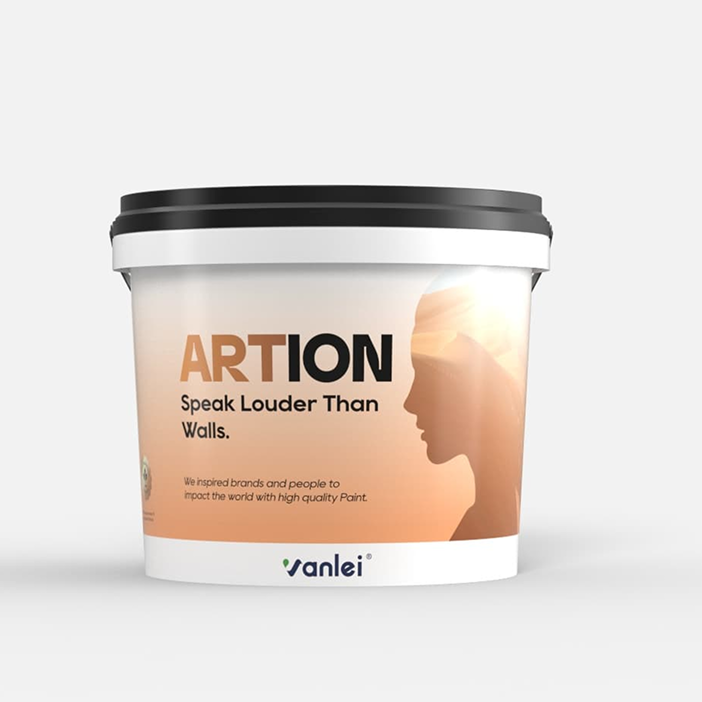
Vanlei presents itself as an architectural coatings manufacturer with decorative paints, exterior and interior series, primers, topcoats, tools, and related coating products. Its published company information lists a 10,000-square-meter Guangdong production base, 13 national invention patents, 150 product models, exports to 68 countries and regions, market access certificates in 12 countries, and a stated market satisfaction rate of 98%. I would still evaluate the specific texture product by its technical documentation, test sample, substrate compatibility, and project requirements rather than relying on company scale alone.
Before ordering, I check whether the wall is dry, stable, clean, and suitable for the selected formulation. I confirm the primer, texture layer, color coat, and topcoat are compatible, then verify application thickness, curing intervals, weather limits, and cleaning instructions. I also confirm that the selected finish can be repaired or repainted without requiring a complete wall replacement.
Avoid applying texture over active dampness, loose paint, uncured repairs, or untreated efflorescence. Avoid choosing a heavy pattern for a wall that requires frequent cleaning, and avoid approving a color from a screen without a physical sample. Finally, keep the product name, batch number, color formula, application method, and leftover material records for future repairs.
How to Choose Texture Paint for Interior and Exterior Walls depends on six linked decisions: substrate, location, climate, moisture, finish, durability, and budget. I recommend starting with a wall inspection, selecting an interior or exterior formulation, comparing texture depth and maintenance needs, and confirming the complete primer-to-topcoat system. A physical sample should be tested under different lighting before full application.
For interior walls, prioritize room function, cleanability, lighting, texture scale, and future touch-up requirements. For exterior walls, prioritize weather exposure, waterproofing, UV resistance, flexibility, breathability, curing conditions, and concrete or masonry preparation. When comparing products from a Texture Paints Manufacturer such as Vanlei, review technical documentation and test results alongside appearance, coverage, tools, labor, repairability, and long-term ownership costs.
Related News
Jun.20,2025
Construction Guide | Learn how to install terrazzo in three minutes
Jie terrazzo's new product launch: Jie terrazzo is a bit more expensive, but a hundred times better. Now you have a basic understanding of Jie terrazzo.
Jun.20,2025
Construction Guide | Learn how to install terrazzo in three minutes
Jie terrazzo's new product launch: Jie terrazzo is a bit more expensive, but a hundred times better. Now you have a basic understanding of Jie terrazzo.
Jun.20,2025
Construction Guide | Learn how to install terrazzo in three minutes
Jie terrazzo's new product launch: Jie terrazzo is a bit more expensive, but a hundred times better. Now you have a basic understanding of Jie terrazzo.
Related Products