May.17,2026
From penetrating sealers to advanced formulations, protective coatings become essential for modern construction
The concrete protection industry is undergoing a significant transformation as global construction activity intensifies and sustainability mandates reshape material specifications. Once regarded as optional enhancements, concrete sealers and protective coatings have evolved into indispensable components for extending infrastructure service life, reducing maintenance costs, and meeting increasingly stringent environmental standards.
The sector encompasses a broad spectrum of technologies, ranging from penetrating sealers that chemically bond with concrete pores to block moisture ingress, to topical coatings that form durable surface barriers against abrasion, chemical attack, and ultraviolet degradation. In recent years, advanced formulations incorporating nano-sized particles have emerged, offering superior penetration depth and enhanced resistance to chloride ion intrusion—a critical factor for structures exposed to de-icing salts or marine environments.
Sustainability Drives Formulation Innovation
One of the most consequential developments reshaping the market is the industry-wide pivot toward low-carbon and low-VOC formulations. With concrete production contributing approximately 8% of global carbon dioxide emissions, the construction sector is increasingly adopting blended cements that incorporate supplementary cementitious materials such as fly ash, slag, and limestone. While these low-carbon alternatives offer environmental benefits, they also present new adhesion and surface chemistry challenges for protective coatings, prompting manufacturers to reformulate their products for compatibility with evolving substrate characteristics.
Regulatory pressures on volatile organic compounds have accelerated the shift away from solvent-based systems toward water-based, solvent-free, and high-solid formulations. These environmentally conscious alternatives not only reduce workplace hazards and atmospheric pollution but also contribute to improved indoor air quality—a growing priority for residential, healthcare, and educational facilities. Many modern concrete protectors now meet the criteria for green building certifications, positioning them as preferred choices for projects pursuing sustainability ratings.
Performance Demands Expand Application Scope
Beyond environmental considerations, the performance expectations for concrete protection have risen dramatically. Infrastructure owners and facility managers are recognizing that preventive surface treatment delivers substantial lifecycle cost savings by delaying the onset of carbonation, freeze-thaw damage, and reinforcement corrosion—issues that account for billions in annual repair expenditures worldwide.
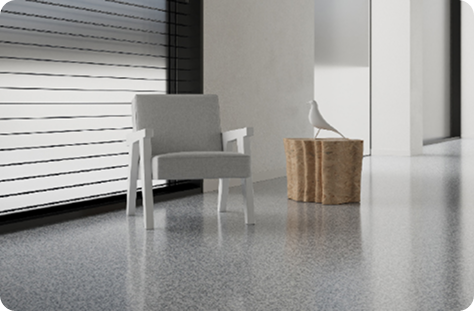
In the residential and commercial building sectors, concrete protectors are increasingly specified for both interior and exterior applications. For indoor spaces, penetrating sealers are favored for their ability to preserve the natural appearance of polished concrete floors while providing stain resistance and ease of maintenance. For exterior surfaces such as driveways, patios, and parking structures, film-forming coatings offer enhanced weatherability and aesthetic customization through pigmented systems.
The transportation infrastructure segment represents another major growth area. Bridges, tunnels, and highway pavements are now routinely treated with high-performance sealers to extend service intervals and reduce disruption from repair works. Similarly, water and wastewater facilities rely on specialized protective linings to resist chemical attack and biological degradation in aggressive environments.
Workmanship and Quality Assurance Remain Critical
Industry experts emphasize that the effectiveness of any concrete protection system hinges on proper surface preparation and application technique. Contaminants such as curing compounds, release agents, and surface dust must be thoroughly removed to ensure adequate bonding and penetration. Substrate moisture content and ambient conditions also play decisive roles in achieving optimal performance.
In response, manufacturers are expanding training and certification programs for applicators, ensuring that installation practices keep pace with advancing material science. Quality control protocols, including adhesion testing and cure monitoring, have become standard practice for large-scale projects.
Innovation and Future Directions
Ongoing research is exploring self-healing concrete protectors capable of autonomously sealing micro-cracks, as well as photocatalytic coatings that break down airborne pollutants when exposed to sunlight. While these technologies remain at various stages of development, they underscore the industry's commitment to combining durability with environmental functionality.
As urbanization accelerates and infrastructure ages globally, the concrete protection sector appears poised for continued expansion. The dual imperatives of extending asset longevity and reducing environmental impact are driving a new generation of high-performance, eco-conscious solutions that redefine what protective coatings can achieve. In an era of rising material costs and tightening sustainability regulations, concrete protectors have transitioned from an afterthought to a strategic investment in the built environment.
Related News
Jun.20,2025
Construction Guide | Learn how to install terrazzo in three minutes
Jie terrazzo's new product launch: Jie terrazzo is a bit more expensive, but a hundred times better. Now you have a basic understanding of Jie terrazzo.
Jun.20,2025
Construction Guide | Learn how to install terrazzo in three minutes
Jie terrazzo's new product launch: Jie terrazzo is a bit more expensive, but a hundred times better. Now you have a basic understanding of Jie terrazzo.
Jun.20,2025
Construction Guide | Learn how to install terrazzo in three minutes
Jie terrazzo's new product launch: Jie terrazzo is a bit more expensive, but a hundred times better. Now you have a basic understanding of Jie terrazzo.
Related Products