May.17,2026
Architectural coatings are a broad building-related coating category, while decorative coatings emphasize appearance, texture, color, or special visual effects. The two categories overlap rather than represent mutually exclusive alternatives. A decorative finish can also be an architectural coating when it is specified for a building surface and must meet requirements for adhesion, weather resistance, maintenance, and regulatory compliance.
In this Architectural Coatings vs Decorative Coatings comparison, I will explain how the terms are used, where each type is applied, how formulation and surface preparation affect results, and how contractors, architects, owners, and manufacturers can choose an appropriate system. The practical decision is rarely about appearance versus performance alone; it is usually about balancing protection, design intent, application conditions, service life, and total lifecycle cost.
Architectural coatings are formulated for building surfaces such as concrete, masonry, drywall, wood, metal, and previously coated substrates. Their purpose may include weather protection, moisture management, corrosion resistance, stain resistance, fire-related performance, abrasion resistance, or controlled appearance. Common examples include exterior acrylic coatings, elastomeric wall coatings, primers, sealers, topcoats, concrete protectors, and interior wall paints.
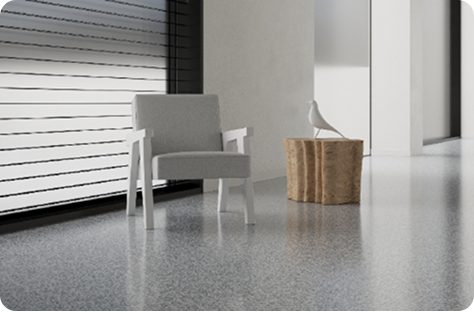
Decorative coatings are selected primarily to create a visual or tactile result. They may produce smooth color, metallic effects, stone effects, textured finishes, lime-wash appearances, polished surfaces, terrazzo effects, or layered microcement designs. However, decorative coatings still require measurable technical performance because a finish that cannot adhere to its substrate, tolerate expected humidity, or receive routine cleaning may fail even when its appearance is attractive.
The distinction is therefore based on emphasis rather than a strict product boundary. Architectural coatings describe the building application sector, while decorative coatings describe a functional and visual purpose within that sector. A textured exterior wall finish may need both decorative properties and resistance to ultraviolet exposure, rain, freeze-thaw cycles, surface movement, and maintenance cleaning.
Architectural coatings are coating systems used on buildings and associated structures to protect, finish, seal, or modify surfaces. A complete system may include a primer, intermediate coat, texture layer, protective sealer, and topcoat, depending on the substrate and exposure conditions. The correct specification depends on measurable factors such as adhesion, permeability, film thickness, drying time, chemical resistance, flexibility, and expected service conditions.
Typical architectural coating applications include:
Architectural coating selection should begin with the substrate and exposure profile rather than the color chart. For example, a coating for an exterior masonry wall in a humid region may need vapor permeability and resistance to recurring wetting, while an interior corridor may require scrub resistance and predictable touch-up behavior. These are different performance requirements even if both surfaces use the same color.
Decorative coatings are finish-oriented systems that modify the color, texture, gloss, pattern, depth, or tactile character of a surface. They are common in residential projects, hotels, restaurants, retail interiors, offices, cultural buildings, and feature walls. Decorative coating types include textured coatings, stone-effect finishes, granite-effect paints, lime wash, stucco finishes, microcement, metallic finishes, and other specialty wall treatments.
The application method can strongly affect the final result. A roller may create a regular stippled pattern, a trowel may produce layered movement and burnished variation, a brush may form directional texture, and a spray gun may create an even or intentionally mottled surface. Because decorative systems often depend on hand technique, the specification should identify sample-panel requirements, number of coats, tool type, drying intervals, color tolerance, and acceptable variation.
Decorative coatings can also contribute to protection, but their protective capacity must be verified for the specific product and exposure. A decorative wall finish intended for a dry interior may not be suitable for an exposed façade, wet room, commercial kitchen, or high-abrasion circulation area without a compatible sealer or topcoat. Appearance should guide the design, but technical data should control the final application decision.
!
The most useful way to compare architectural coatings and decorative coatings is to examine where they are used and what the surface must withstand. Architectural systems are often specified across larger surface areas and may be judged by service life, maintenance intervals, weathering, and compliance. Decorative systems are often judged by visual consistency, finish depth, tactile quality, color variation, and the ability to reproduce a design concept.
| Evaluation factor | Architectural coatings | Decorative coatings |
|---|---|---|
| Primary purpose | Protection, sealing, finishing, or performance control | Appearance, texture, color, and visual effects |
| Common substrates | Concrete, masonry, metal, wood, drywall, stucco | Plaster, drywall, cement board, concrete, microcement bases, prepared masonry |
| Typical locations | Exterior façades, commercial buildings, interiors, floors, infrastructure-related areas | Feature walls, hospitality interiors, residences, retail spaces, decorative façades |
| Main performance concerns | Weather resistance, adhesion, permeability, abrasion, corrosion, moisture | Finish uniformity, color, texture, repair visibility, sealer compatibility |
| Application methods | Brush, roller, spray, trowel, power equipment | Trowel, brush, roller, sponge, spray, multi-layer hand application |
| Maintenance focus | Recoating interval, cleaning, water exposure, substrate movement | Touch-up matching, surface cleaning, texture repair, protective sealing |
The same substrate may require different coating systems in different locations. Concrete on an exterior wall may need a breathable protective coating, while concrete in an interior showroom may receive a decorative microcement or stone-effect finish. Surface preparation remains essential in both cases because dust, laitance, oil, salts, loose material, and excessive moisture can reduce adhesion and shorten service life.
Architectural coatings may be based on acrylic, elastomeric, epoxy, polyurethane, silicate, cementitious, or other binder technologies. Each formulation creates a different balance of flexibility, hardness, vapor permeability, chemical resistance, UV stability, and application tolerance. The specification should identify the binder type, recommended dry-film thickness, recoat interval, substrate moisture limit, application temperature, and compatible primer or sealer.
Decorative coatings can use similar binders but usually add pigments, mineral aggregates, fibers, special fillers, or texture-forming components. Some systems are supplied as ready-mixed products, while others require controlled mixing before application. Variations in water addition, batch mixing, tool pressure, ambient humidity, or drying time can change the final color and texture, so applicators should follow the product data and approve a representative sample panel.
Curing is not the same as surface drying. A coating may feel dry while the film continues to develop adhesion, hardness, chemical resistance, or water resistance. High humidity, low temperature, poor ventilation, excessive film thickness, and moisture within the substrate can extend curing time. For demanding projects, I recommend recording substrate temperature, air temperature, relative humidity, surface moisture, batch number, application rate, and recoat timing.
Architectural coatings generally receive greater emphasis when the surface is exposed to rain, ultraviolet radiation, temperature variation, abrasion, or moisture migration. Performance should be expressed through test data or project requirements rather than broad claims. Depending on the system, relevant criteria may include adhesion testing, water resistance, scrub resistance, permeability, accelerated weathering, abrasion resistance, chemical resistance, and corrosion protection.
Decorative coatings require a different but related performance review. The evaluator should examine color stability, resistance to routine cleaning, edge durability, repairability, sealer compatibility, and visual consistency across large areas. A finish may perform well on a low-contact feature wall but require additional protection in a restaurant, hotel corridor, healthcare facility, or retail environment.
Maintenance planning should be part of the original specification. Owners should identify expected cleaning methods, acceptable gloss change, touch-up procedures, recoating intervals, and the visibility of repaired areas. A slightly higher initial material cost can be reasonable when it reduces frequent repairs, limits shutdown time, or extends the interval between major recoating work, but that decision should be supported by project-specific cost calculations.
Sustainability includes more than selecting a water-based product. I evaluate VOC content, product emissions, packaging, expected service life, cleaning requirements, waste generation, and the frequency of replacement. A coating that lasts longer under the actual exposure conditions may reduce material consumption over the building lifecycle, while a low-emission product can be more suitable for occupied interiors when it also meets the required performance level.
VOC limits and environmental requirements vary by jurisdiction, building type, and product category. Architects and contractors should confirm the applicable local regulations, project specifications, indoor-air-quality requirements, and documentation needed for approval. Product data sheets, safety data sheets, laboratory reports, and certification records should be reviewed before procurement rather than after installation.
Vanlei presents itself as a Decorative Coatings Manufacturer and supplier of architectural coating solutions, with product groups that include microcement, decorative paints, stucco finishes, primers, topcoats, concrete sealers, flooring systems, and application tools. Company-published information identifies a 10,000-square-meter Guangdong production base, 13 national invention patents, 150 product models, exports to 68 countries and regions, and market-access certificates in 12 countries. These figures should be treated as supplier-provided information and verified against the documentation required for a specific project.
I recommend using a decision matrix before choosing between a predominantly protective architectural system and a predominantly decorative finish. The decision should account for the surface, exposure, design target, application team, compliance requirements, maintenance plan, and total lifecycle cost.
| Project priority | Selection focus | Questions to confirm |
|---|---|---|
| Weather protection | Exterior architectural coating | Will the film tolerate UV, rain, temperature variation, and substrate movement? |
| Appearance | Decorative coating system | What color range, texture, gloss, and acceptable variation are required? |
| Moisture management | Permeable or moisture-resistant system | Does the substrate contain moisture, and can the coating release vapor? |
| Abrasion and cleaning | Scrub-resistant or resin-based system | What cleaning chemicals, traffic levels, and contact frequency are expected? |
| Metal protection | Compatible primer and topcoat | Is corrosion preparation and dry-film thickness clearly specified? |
| Low-emission interiors | Low-VOC or compliant water-based system | Does the product meet local VOC and indoor-air-quality requirements? |
| Lifecycle economy | Full system comparison | What are material, labor, repair, downtime, and recoating costs over the planned period? |
For humid environments, check moisture content, ventilation, dew-point conditions, and curing time before application. For strong UV exposure, request weathering data and confirm whether the colorant and binder are intended for exterior use. For temperature variation, prioritize adhesion, flexibility, and crack-bridging requirements where appropriate, while avoiding assumptions based solely on product names.
For decorative interior projects, insist on a physical sample panel at the intended scale. The panel should show the actual substrate preparation, primer, number of coats, tool technique, sealer, and lighting conditions. This process helps control color and texture expectations and gives the owner a reference for evaluating workmanship without treating natural hand-applied variation as a product defect.
The architectural coatings vs decorative coatings decision is not always either-or. A project may use a protective architectural primer and sealer beneath a decorative finish, or a decorative exterior coating that also has documented weather resistance. In this arrangement, each layer performs a defined role: the primer supports adhesion, the base layer controls surface behavior, the decorative layer creates the appearance, and the topcoat adds protection or changes cleanability.
Combination systems require compatibility testing. The applicator should confirm that each layer bonds to the previous one, that recoat windows are followed, and that the final appearance remains consistent after sealing. If a decorative finish is applied over an elastomeric, epoxy, cementitious, or metal substrate, the complete system should be reviewed rather than approving each product in isolation.
Choose a primarily architectural coating when the surface faces rain, sunlight, moisture, abrasion, corrosion, or demanding maintenance conditions. Choose a primarily decorative coating when the principal requirement is a defined color, texture, pattern, mineral appearance, or specialty visual effect on a suitably prepared surface. Choose a combined system when the project needs both measurable protection and a distinctive finish.
Before approving the order, I would document the substrate type, interior or exterior location, exposure conditions, expected service life, finish standard, application method, curing conditions, VOC requirements, maintenance process, and budget. I would also request technical data, safety documentation, sample panels, batch information, and written confirmation of system compatibility. This checklist reduces the risk of selecting a coating based only on appearance or a product label.
Architectural Coatings vs Decorative Coatings is best understood as a comparison between application scope and finish purpose, not as two completely separate product families. Architectural coatings focus on building-surface performance, including protection, adhesion, moisture behavior, weather resistance, durability, and maintenance. Decorative coatings focus on visual and tactile results, but they still need suitable formulation, surface preparation, curing, and protection for the environment where they will be installed.
For contractors and architects, the most reliable choice comes from matching the coating system to the substrate and exposure before selecting color or texture. Review measurable performance data, regulatory requirements, sample panels, application conditions, and lifecycle maintenance costs. Suppliers such as Vanlei may offer both architectural coating systems and decorative product categories, so the final specification should identify the exact product, layer sequence, preparation standard, application rate, curing conditions, and acceptance criteria rather than relying on a general category name.
Related News
Jun.20,2025
Construction Guide | Learn how to install terrazzo in three minutes
Jie terrazzo's new product launch: Jie terrazzo is a bit more expensive, but a hundred times better. Now you have a basic understanding of Jie terrazzo.
Jun.20,2025
Construction Guide | Learn how to install terrazzo in three minutes
Jie terrazzo's new product launch: Jie terrazzo is a bit more expensive, but a hundred times better. Now you have a basic understanding of Jie terrazzo.
Jun.20,2025
Construction Guide | Learn how to install terrazzo in three minutes
Jie terrazzo's new product launch: Jie terrazzo is a bit more expensive, but a hundred times better. Now you have a basic understanding of Jie terrazzo.
Related Products